Table of Contents
ToggleCreating a standout living room in The Sims 4 isn’t just about dropping a couch and calling it done. It’s about crafting a space that reflects your Sim’s personality, supports their lifestyle, and makes every screenshot worth sharing. Whether players are building their first starter home or renovating a multi-million Simoleon mansion, the living room sets the tone for the entire build. With the right furniture placement, color coordination, and attention to detail, any virtual space can go from bland to breathtaking, no expansion packs required, though they certainly help.
Key Takeaways
- Modern minimalist living room ideas in The Sims 4 succeed with clean lines, neutral palettes, and strategic use of negative space rather than over-furnishing.
- Cozy cottage and farmhouse designs thrive on layered textures, fireplaces as focal points, and warm, ambient lighting that creates a lived-in atmosphere.
- Luxury glam living rooms prioritize opulence through velvet upholstery, gold accents, marble surfaces, and multiple light sources like crystal chandeliers for visual impact.
- Bohemian style embraces creative freedom by mixing clashing patterns, layering rugs, incorporating abundant plants, and breaking symmetry with eclectic art placement.
- Small space solutions require strategic furniture scaling, vertical storage use, and multi-functional pieces to maximize floor space without sacrificing functionality.
- Layered lighting with ambient, task, and accent sources—combined with a 60-30-10 color rule—transforms any Sims 4 living room from ordinary to impressive.
Modern Minimalist Living Rooms That Impress
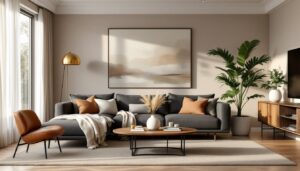
Modern minimalist design strips away the excess and focuses on clean lines, functional furniture, and neutral palettes. In The Sims 4, this style thrives on low-profile sectionals, sleek coffee tables, and open floor plans that let the architecture speak for itself.
Start with a base palette of whites, grays, and blacks. Add texture through materials, think concrete flooring from Eco Lifestyle, matte black metal accents, and glass surfaces. The Peacemaker Sectional Sofa from the base game works well here, paired with the Minimalist Coffee Table or any glass-topped option.
Lighting plays a critical role. Recessed ceiling lights or track lighting keep the space bright without visual clutter. Skip the table lamps unless they’re geometric and monochromatic. Wall art should be abstract or entirely absent, negative space is a design choice, not a mistake.
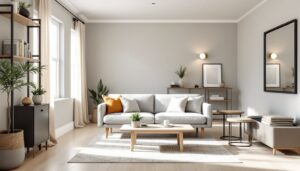
Avoid over-furnishing. A minimalist room might have just a sectional, one side table, a media console, and a single plant. The Tiny Living pack offers compact furniture that fits the aesthetic while maximizing floor space. If the room feels empty, that’s intentional. Add one statement piece, a sculptural floor lamp or a single oversized canvas, and call it done.
Cozy Cottage and Farmhouse Living Room Designs
Cottage and farmhouse styles lean into warmth, texture, and lived-in comfort. These living rooms feel like they’ve been there for decades, even if the build went up yesterday. Think overstuffed armchairs, wood-beamed ceilings, and plenty of natural materials.
Start with wood flooring, medium to dark oak works best. Layer in a large area rug with a woven or floral pattern. The Cottage Living expansion is a goldmine here, offering plaid sofas, vintage armchairs, and rustic coffee tables that look hand-built. If working without that pack, the base game’s Country Comfort Loveseat or any upholstered seating in earth tones will do the job.
Fireplaces are non-negotiable. Place a stone or brick fireplace as the room’s focal point, then flank it with built-in shelving or freestanding bookcases. Add clutter: stacks of books, potted herbs, ceramic vases, and framed family photos. Real-world design trends for living rooms often emphasize layered decor, and that translates beautifully in-game.
Lighting should be warm and ambient. Swap out overhead fixtures for table lamps with fabric shades or wrought iron chandeliers. String lights or lanterns add charm without feeling overdone. Windows should have curtains, nothing modern or metallic. Stick to linen, lace, or gingham patterns that tie back to the cottage aesthetic.
Luxury Glam Living Rooms for High-End Sims
Luxury glam is all about opulence: velvet upholstery, gold accents, marble surfaces, and lighting that costs more than some Sims’ entire homes. This style doesn’t apologize for being over-the-top, and it shouldn’t.
Start with a bold color palette. Deep jewel tones, emerald, sapphire, amethyst, work beautifully against white marble flooring or high-gloss black tiles. The Dream Home Decorator pack offers excellent glam furniture, including tufted sofas and ornate armchairs. If that’s not available, look for any seating with channel tufting or nailhead trim in rich fabrics.
Coffee tables should be glass-topped with gold or brass bases. Add a mirrored accent table or two for visual interest. Mirrors in general are essential, oversized, gilt-framed, and strategically placed to reflect light and make the space feel larger.
Lighting is where glam rooms truly shine. Crystal chandeliers are the obvious choice, but don’t overlook sculptural floor lamps with metallic finishes. Layer in table lamps with ceramic or glass bases. The goal is multiple light sources that create a warm, flattering glow.
Accessorize with intention. Add decorative trays, candles in gold holders, fresh flowers in crystal vases, and art with ornate frames. While many living room layouts focus on functionality first, glam spaces prioritize visual impact. Every surface should have something beautiful on it, but avoid crossing into cluttered territory.
Bohemian and Eclectic Living Room Styles
Bohemian design thrives on mixing patterns, textures, and eras without a strict rulebook. It’s the antithesis of matchy-matchy, and in The Sims 4, it’s one of the most forgiving styles for players who love experimenting.
Start with a layered rug situation, yes, multiple rugs, overlapping or side-by-side, in clashing patterns. Add floor cushions and poufs alongside traditional seating. The Island Living and Cats & Dogs packs offer rattan furniture and woven textures that fit perfectly. Mix in vintage-style pieces from other packs or the base game.
Color is your friend. Boho rooms can handle terracotta, mustard yellow, burnt orange, and teal all in one space. The key is balancing warm and cool tones so nothing feels jarring. Add plants everywhere, hanging, potted, in macramé holders, on shelves, on the floor. Greenery is practically a structural element in boho design.
Wall decor should be abundant and varied: tapestries, woven wall hangings, eclectic art prints, and floating shelves loaded with books and trinkets. Don’t worry about symmetry. Hang things at different heights and cluster frames in organic groupings.
Lighting should feel relaxed. String lights, paper lanterns, and floor lamps with woven shades all work. Avoid anything too modern or industrial. The vibe should be warm, lived-in, and a little bit unconventional. For builders seeking design techniques that break traditional rules, boho style offers plenty of creative freedom.
Small Space Living Room Solutions
Small living rooms, whether in a studio apartment or a compact starter home, require strategic furniture choices and smart layout planning. The Tiny Living pack is the obvious resource, but builders can make any space work with the right approach.
Scale matters. Oversized sectionals will overwhelm a small room. Opt for loveseats, armless chairs, or modular seating that can be rearranged as needed. The Murphy bed from Tiny Living can double a living room’s function if the Sim’s budget is tight.
Use vertical space. Tall bookcases, wall-mounted shelving, and floating cabinets keep the floor clear while providing storage and display areas. Avoid bulky entertainment centers: a simple wall-mounted TV or a low-profile media console works better.
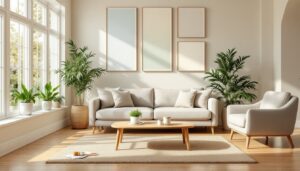
Color and light open up small spaces. Stick to light neutrals on walls and large furniture pieces, then add pops of color through throw pillows, artwork, and small decor items. Mirrors expand visual space, place one opposite a window to reflect natural light.
Multi-functional furniture is key. Coffee tables with built-in storage, ottomans that double as seating or tables, and nesting side tables keep the room flexible. Understanding how to maximize small living spaces applies just as much in-game as it does in real homes. Clutter is the enemy here, every item should earn its place.
Color Schemes and Lighting Tips for Every Style
Color and lighting are the two elements that can make or break any living room build. Get them right, and even budget furniture looks intentional. Get them wrong, and the most expensive pieces fall flat.
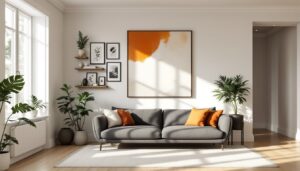
Color scheme basics: Start with a dominant color (usually walls or large furniture), add a secondary color (accent chairs, rugs), and finish with one or two accent colors (pillows, art, decor). The 60-30-10 rule applies in The Sims 4 just as it does in real design: 60% dominant, 30% secondary, 10% accent.
For modern and minimalist styles, stick to monochromatic palettes with one or two accent colors. Farmhouse and cottage styles favor warm neutrals with pops of red, blue, or green. Glam rooms can handle high-contrast schemes, black and white with gold, or deep navy with blush pink. Boho embraces earthy, saturated tones layered together.
Lighting layers create depth. Every room needs three types: ambient (overhead fixtures or recessed lights), task (table lamps near seating), and accent (spotlights on art, string lights, candles). Many builders rely solely on overhead lighting, which flattens the space and kills the mood.
Adjust the game’s lighting settings when placing lights. Warm white bulbs (yellow-toned) suit traditional, cozy, and glam styles. Cool white or daylight bulbs (blue-toned) fit modern and minimalist rooms. Real-world design inspiration from established sources often emphasizes layered lighting, a principle that translates directly into better Sims builds.
Don’t forget natural light. Large windows, glass doors, and skylights reduce the need for artificial lighting during the day and make rooms feel more open. Pair windows with appropriate treatments: sheer curtains for soft light, blackout drapes for drama, or no window coverings at all in modern builds.
Conclusion
Building a memorable living room in The Sims 4 comes down to understanding style fundamentals, making deliberate furniture and color choices, and using lighting to set the mood. Whether the goal is a minimalist retreat, a cozy cottage, or a glam showpiece, the tools are there, it’s just a matter of putting them together with intention and a little creative experimentation.