Table of Contents
ToggleLiving rooms for beginners can feel overwhelming at first glance. There’s furniture to choose, colors to pick, and layouts to figure out, all while staying within a budget. But here’s the good news: designing a living room doesn’t require a degree in interior design or a bottomless bank account. It requires a clear plan and some practical knowledge.
This guide breaks down the essential steps to create a living room that looks good and works well. Whether someone is moving into their first apartment or finally tackling that neglected space, these straightforward tips will help transform an empty room into a comfortable, functional area worth spending time in.
Key Takeaways
- Start by identifying how you’ll use your living room—whether for relaxation, entertaining, or working from home—to guide all design decisions.
- Living rooms for beginners should focus on essential furniture first: a quality sofa, coffee table, adequate lighting, and storage solutions.
- Use the 60-30-10 color rule (dominant, secondary, accent colors) to create a balanced, visually appealing space.
- Leave at least 30 inches for walkways and arrange seating to face the room’s focal point for better flow and comfort.
- Mix textures like plush rugs, woven baskets, and knit blankets to add warmth without expensive purchases.
- Build your living room gradually—patience and smart budgeting lead to better results than rushed, all-at-once spending.
Understanding the Purpose of Your Living Room
Before buying a single piece of furniture, beginners should ask one question: What will this living room actually be used for?
Living rooms serve different purposes for different people. Some households use this space primarily for entertaining guests. Others need a cozy spot for family movie nights. Many people work from home now and need a living room that doubles as an office during the day.
Identifying these needs early prevents costly mistakes later. A living room designed for hosting dinner parties will look very different from one built around a gaming setup or a play area for children.
Here are some common living room purposes to consider:
- Relaxation and unwinding after work
- Entertaining friends and family
- Watching TV or streaming content
- Reading or quiet activities
- Working from home occasionally
- Children’s play space
Most living rooms need to handle multiple functions. That’s perfectly normal. The key is ranking these uses by importance. This ranking guides every decision that follows, from furniture selection to layout planning.
Choosing Essential Furniture Pieces
Living rooms for beginners don’t need to be stuffed with furniture. In fact, less is often more. Starting with the essentials creates a solid foundation that can be built upon over time.
The Must-Have Pieces
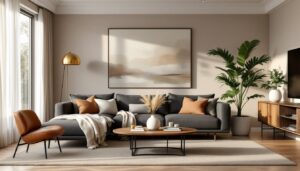
A comfortable sofa sits at the heart of most living rooms. It’s typically the largest and most expensive piece, so choosing wisely matters. Beginners should measure their space before shopping. A sofa that looks perfect in a showroom might overwhelm a small apartment living room.
A coffee table provides function and anchors the seating area. It holds drinks, books, remotes, and serves as a visual centerpiece. Round tables work well in tight spaces because they have no sharp corners to bump into.
Adequate lighting is often overlooked by beginners but makes a huge difference. Every living room needs at least three light sources: overhead lighting, a floor lamp, and a table lamp. This combination allows for different moods throughout the day.
Storage solutions keep clutter under control. A media console, bookshelf, or storage ottoman can hide away the items that would otherwise pile up on surfaces.
What Can Wait
Accent chairs, side tables, and decorative pieces can be added gradually. Beginners shouldn’t feel pressured to furnish the entire living room at once. Living with the space for a few weeks reveals what’s actually needed versus what seemed nice in theory.
Creating a Functional Layout
A well-planned layout makes a living room feel bigger and more inviting. Poor arrangement does the opposite, it creates awkward traffic patterns and wasted space.
Start With the Focal Point
Every living room has a natural focal point. This might be a fireplace, a large window with a view, or simply the TV. The main seating should face this focal point. Fighting against the room’s natural focus creates an uncomfortable atmosphere.
Leave Room to Move
Traffic flow matters more than most beginners realize. People need clear paths to walk through the living room without bumping into furniture. A good rule: leave at least 30 inches for major walkways and 18 inches for smaller paths between furniture pieces.
Create Conversation Areas
Furniture placement should encourage conversation. Seating arranged in a U-shape or facing each other works better than chairs lined up against walls. In larger living rooms, multiple conversation areas can be created.
Common Layout Mistakes to Avoid
- Pushing all furniture against walls (this actually makes rooms feel smaller)
- Blocking natural light from windows
- Placing the TV where glare ruins the viewing experience
- Forgetting to account for electrical outlets
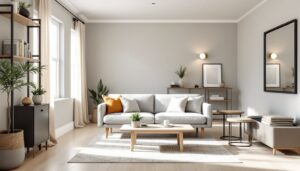
Living rooms for beginners work best with simple, symmetrical layouts. As confidence grows, more creative arrangements become possible.
Selecting Colors and Textures
Color choices set the mood of a living room. Texture adds visual interest and prevents spaces from looking flat and boring.
Choosing a Color Palette
Beginners often make two mistakes with color: playing it too safe with all-neutral everything, or going overboard with too many competing colors. The sweet spot lies in between.
A proven approach uses the 60-30-10 rule:
- 60% dominant color (walls, large furniture)
- 30% secondary color (curtains, rugs, accent furniture)
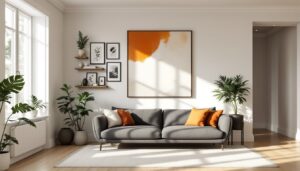
- 10% accent color (throw pillows, artwork, decorative objects)
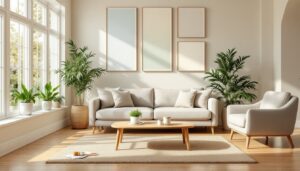
Neutral walls give beginners flexibility. They provide a backdrop that works with almost any furniture and can be easily updated with new accessories as tastes change.
Adding Texture
Texture brings warmth and dimension to living rooms. A room with only smooth, flat surfaces feels cold and uninviting. Mixing textures creates visual depth.
Consider combining:
- A plush area rug
- Linen or velvet throw pillows
- Woven baskets for storage
- Wood grain on furniture
- Knit blankets draped over sofas
These textural elements make living rooms feel lived-in and comfortable without requiring expensive purchases.
Budget-Friendly Decorating Tips
Designing living rooms for beginners doesn’t require spending thousands of dollars. Smart shopping and creative thinking stretch limited budgets further than expected.
Where to Invest
Some items deserve a larger portion of the budget. The sofa tops this list, it gets used daily and a cheap one will show wear quickly. Quality seating lasts years and provides genuine comfort.
Lighting also rewards investment. Good lamps and fixtures transform the feel of a space more than almost any other purchase.
Where to Save
Decorative items can come from thrift stores, estate sales, and discount retailers. Artwork doesn’t need to cost hundreds of dollars. Framed prints, DIY pieces, or even enlarged photographs add personality at low cost.
Throw pillows and blankets offer easy, affordable ways to update a living room’s look seasonally. These small purchases make a noticeable impact.
Free Ways to Improve a Living Room
- Rearrange existing furniture for a fresh perspective
- Declutter surfaces and remove items that don’t serve a purpose
- Clean windows to maximize natural light
- Group books by color on shelves
- Bring in plants or fresh flowers
Patience pays off too. Living rooms for beginners don’t need to be completed in a weekend. Waiting for sales and building the space gradually leads to better results than rushed purchases.